
The Wall Failure Index · Listen to your wall

Singapore Wall Failure & Moisture Diagnostic Guide

Peeling, bubbling, white powder, black spots, ceiling stains. Every failed wall in a humid Singapore home is telling you where the water is. This guide shows you how to read the signs, find the cause and fix it in the right order — before a single coat of paint goes on.
  • 8 signsRead your wall
  • 240 HDB casesResearch base
  • CleanTech ParkGroup lab
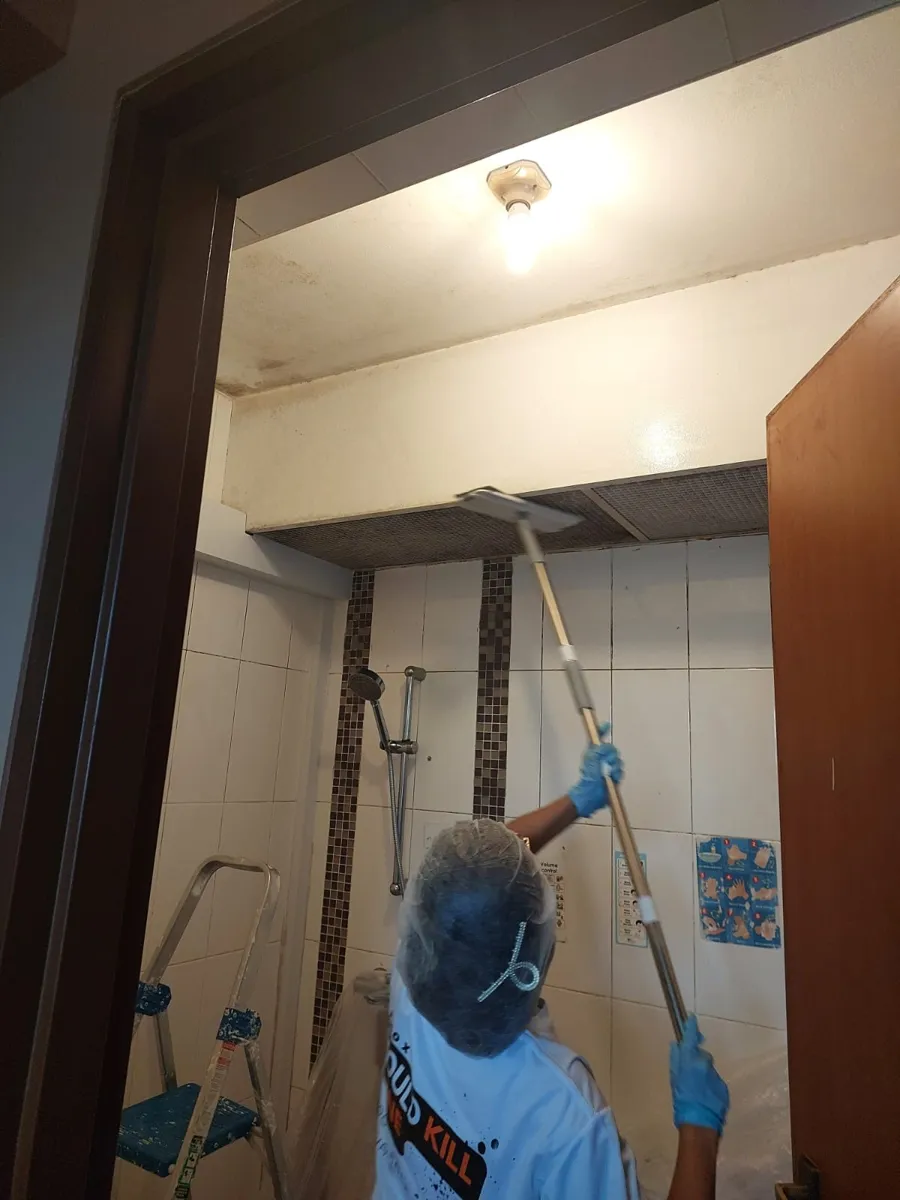
Pico X technician cleaning mould from a bathroom ceiling in a Singapore home
Field caseBathroom ceiling mould
Team
Pico X Mould Removal
Step
Clean before sealing
Then
Seal & anti-mould repaint

Quick answer

Why do walls fail in Singapore homes?

Water, not paint, is usually the problem. In Singapore's year-round humidity, walls fail when moisture gets into or onto them — from a leak, seepage from a bathroom or aircon ledge, or condensation on a wall chilled by aircon. Paint then peels, bubbles, grows mould or leaves white salt. The fix is always in the same order: find the source, fix it, dry and treat the wall, then seal and repaint. Painting over a damp wall only hides the problem for a few months.

The Wall Failure Index

Eight signs your wall is telling you something

Match what you see to the likely cause and the first thing to do. If two or more signs show up together, the wall almost certainly has a moisture problem.

01

Black or green spots

Mould growing on a surface that stays damp — common on bathroom ceilings, behind wardrobes and on cold corners.
  • Cause: trapped moisture, poor airflow
  • First: treat the mould, then find the damp
02

Peeling or flaking paint

The paint film has lost grip, usually because moisture is pushing out from behind it.
  • Cause: leak, seepage or damp plaster
  • First: scrape back, check moisture
03

Bubbles and blisters

Pockets of water or vapour trapped under a sealed paint film. Press one: if it is wet, the wall is wet.
  • Cause: water behind a non-breathable coat
  • First: stop the water, then repaint
04

White powder or crust

Efflorescence — salts carried out of concrete by moving water and left on the surface as it dries.
  • Cause: water travelling through the wall
  • First: brush off dry, trace the water
05

Hairline cracks

Fine cracks in plaster from movement and heat. Usually cosmetic, but they let water in over time.
  • Cause: plaster movement, ageing
  • First: fill and prime before painting
06

Yellow or brown ceiling stains

Rings and tide marks on a ceiling, often under a bathroom above or along a pipe run.
  • Cause: leak from the unit or pipe above
  • First: fix the leak, then stain-block
07

Damp patch on a shared wall

Cold, damp or mouldy patch on a wall you share with a neighbour, often worse at night.
  • Cause: inter-flat condensation from aircon
  • First: log it, then thermal-break coat
08

Musty smell, no visible mould

Mould hidden behind furniture, inside cabinets or under old paint, often with high indoor humidity.
  • Cause: hidden growth, high humidity
  • First: inspect and measure the room

From our research

What 240 HDB cases tell us about damp shared walls

Pico X Health Research reviewed 240 HDB "neighbour mould" cases reported in 2025. Most were not leaks at all:

  • 72% came from an aircon temperature difference across a shared wall or slab.
  • 10% were structural issues, the slowest to resolve (12+ weeks).
  • 8% were real water leaks that had first been misdiagnosed.
  • 6% came from poor ventilation inside the unit.

That is why we measure before we paint. The report recommends avoiding aircon settings below 22°C on shared walls, logging the damp with photos and humidity readings, and using a thermal-break coating on your own side — which works even without your neighbour's help.
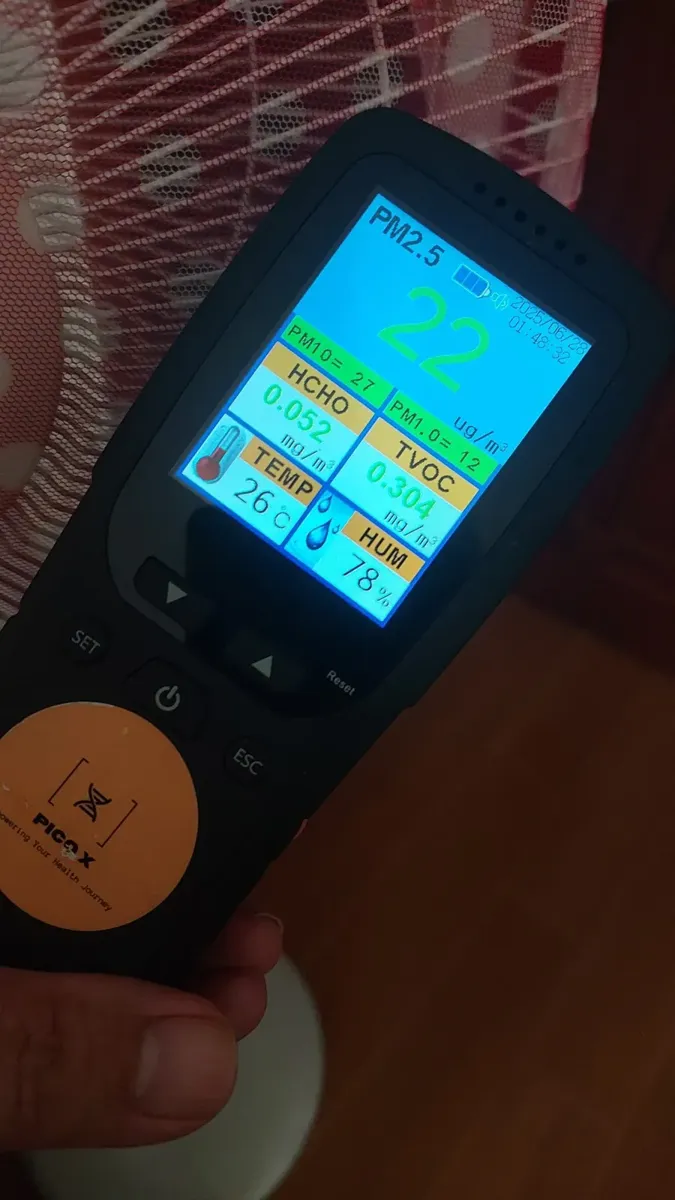
Pico X indoor air meter showing 78% humidity in a Singapore home

Do this tonight

Three quick checks before you call anyone

Timing

When does it get worse?

After heavy rain or a long shower points to a leak. At night, or when the next unit runs its aircon, points to condensation. Always damp near the floor points to water rising from a floor trap or slab.
Cling-film test

Which side is the water?

Tape a square of cling film tightly to the damp spot for a day. Droplets on the room side mean condensation from the air; droplets on the wall side mean moisture coming through the wall.
Touch & tap

Is the plaster sound?

Press the patch and tap around it with a knuckle. Soft, crumbly or hollow-sounding plaster needs repair before any coating — paint alone will not hold.

Check your wall first

The Pico X pre-paint diagnostic protocol

Every job follows this order. Skipping a step is the most common reason a fresh coat fails in a Singapore home.

  1. 1

    Look and photograph

    We map where the damage is, how far it spreads and how it changes with weather and aircon use.

  2. 2

    Measure the moisture

    Moisture and humidity readings tell us how wet the wall is and whether the air in the room is part of the problem.

  3. 3

    Find the source

    Leak, seepage, condensation or trapped moisture — each needs a different fix, so we decide this before quoting.

  4. 4

    Fix the source

    Waterproofing, sealing joints, a thermal-break coating, or better ventilation. The wall is left to dry.

  5. 5

    Treat and prime

    Mould is removed, cracks are filled, and a sealer or breathable primer goes on so the topcoat bonds and the wall can still breathe.

  6. 6

    Finish coat

    Anti-mould paint for wet rooms, low-VOC paint for bedrooms, or a breathable limewash for feature walls.

Real job

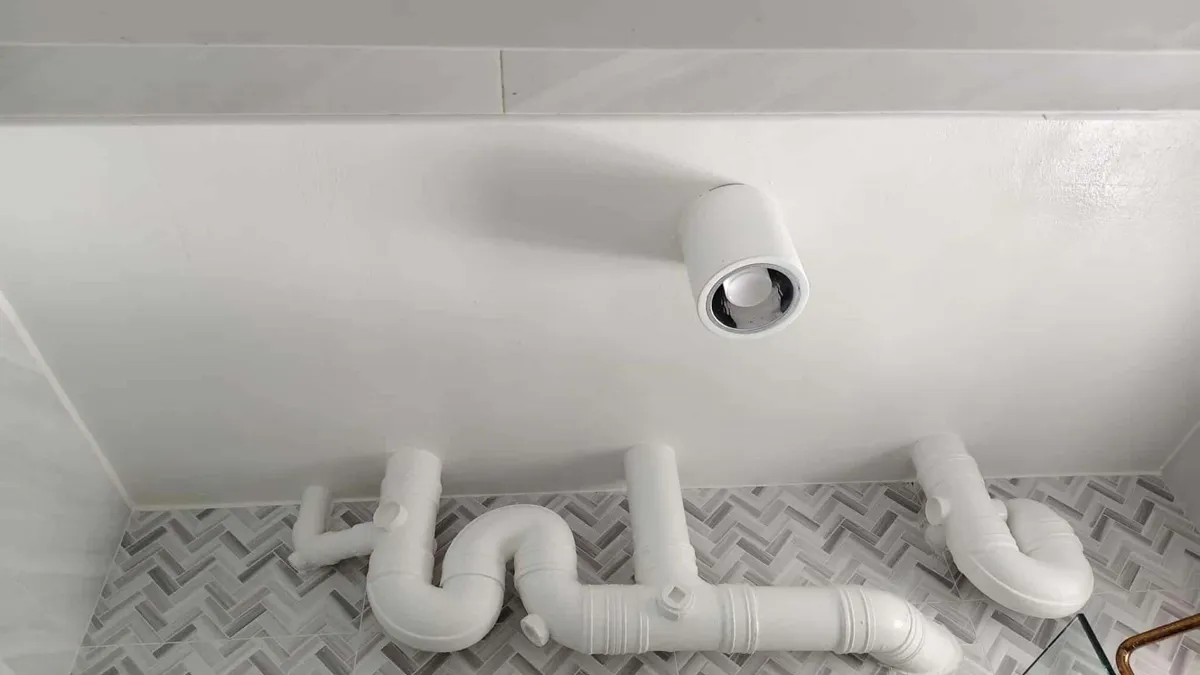
From mould to clean, sealed ceiling

A bathroom ceiling treated by our sister team at Pico X Mould Removal: mould cleared, surface sealed and repainted with anti-mould paint.
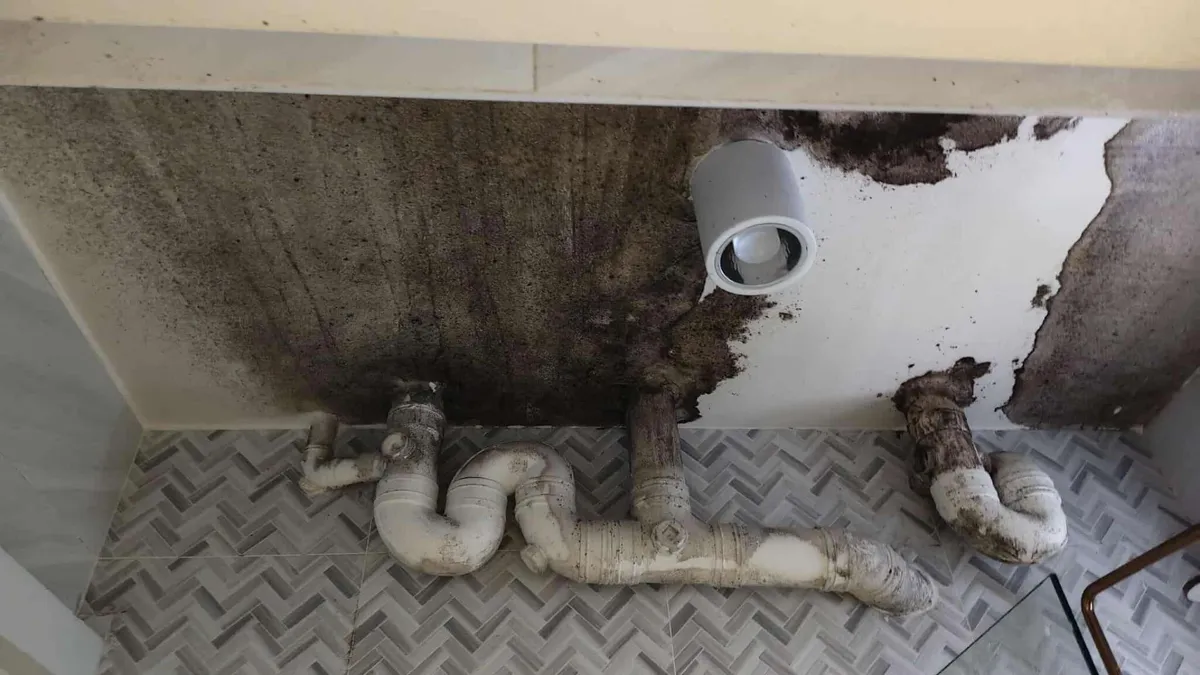
Before
Before
After
After

Bathroom ceiling · Singapore home

Mould around the pipe run removed, then sealed and repainted.

Keep reading

Related guides and finishes

Powered by Pico X Health Technology

Most painters cover walls. We engineer indoor health.

Ordinary contractors paint over damp plaster and hidden mould, so the finish peels and the problem comes back. Pico X Painting is the painting arm of Pico X Health Technology: we check, treat and seal the surface before any colour goes on.

  • NEA-listedEnvironmental health service
  • bizSAFE Level 3Workplace safety certified
  • Asahi Lifecare × A*STARResearch & development partner
  • CleanTech Park lab500+ Singapore home test sites
  1. Check the wall first

    Every job starts with a look for damp, cracks and hidden mould, using the same moisture-first approach as Pico X Mould Removal.

  2. Safer coatings for the people inside

    Low-VOC and zero-VOC paints, anti-mould sealers and breathable mineral limewash, chosen for bedrooms, nurseries and seniors' rooms.

  3. A real company behind your warranty

    Your warranty sits with Pico X Health Technology Pte Ltd, not a subcontractor, with a Pico X supervisor looking after your job.

On this service

  • Moisture measured before any repaint
  • Source fixed before coating
  • Research-backed by Pico X Health

Questions

Wall damp & failure questions

Why does paint peel or bubble on Singapore walls?
Almost always because water is getting behind the paint: a leak, seepage from a bathroom or aircon ledge, or condensation on a cold wall. The paint film lifts as moisture pushes out. Repainting without finding and fixing the source usually fails again within months.
Is the damp patch on my shared HDB wall a leak or condensation?
Most often condensation. In 240 HDB cases reviewed by Pico X Health Research in 2025, 72% of 'neighbour mould' disputes came from an aircon temperature difference across a shared wall, and only 8% were real water leaks that had been misdiagnosed. A patch that gets worse when the next unit runs its aircon points to condensation; one that spreads after rain or showers points to a leak.
What is the white powder on my wall?
That is efflorescence: salts carried out of concrete or plaster by moving water, left behind when the water dries. It means moisture is travelling through the wall. Brush it off dry, find the water source, then use a breathable primer before repainting.
Can anti-mould paint fix a damp wall?
No. Anti-mould paint slows mould on the surface, but it cannot stop water coming in. Research by Pico X Health on anti-microbial coatings in tropical humidity found their effect fades over time, so the wall has to be dried and the source fixed first.
Are hairline cracks a problem?
Fine hairline cracks in plaster are common and usually cosmetic, but they let moisture in and can open up over time. They should be filled before repainting. Wide, growing or stepped cracks, or cracks with water stains, need a proper inspection.
How do you check my wall before painting?
We look at the pattern of the damage, take moisture readings, and work out whether it is a leak, condensation or trapped moisture. Only then do we treat, seal, prime and paint. You can start by sending us a photo on WhatsApp.

Next step

Not sure what your wall is telling you?

Send us a photo on WhatsApp for a quick read, or get an instant painting price once the wall is sound.

Help
Customer Service
Available 9:00 - 23:00
Customer Service

📚 This is the Support Team. We're here to help! Our response will be slower after 6pm.

19:58
Whatsapp

Part of the Pico X Health network

Painting built on environmental health science. Pico X Painting is the painting arm of Pico X Health Technology: NEA-listed, bizSAFE Level 3 and research & development partner Asahi Lifecare × A*STAR, backed by Pico X Health Research (lab at CleanTech Park, 500+ Singapore home test sites).