
Choosing the Right Paint: A Comparison of Natural Textures for Walls and Floors
Understanding Natural Textures
Natural textures in paint can add depth and character to any space, creating a warm and inviting atmosphere. These textures often mimic the look and feel of materials like stone, wood, or clay. When choosing paint for walls and floors, understanding the available options can help you make an informed decision that enhances your interior design.
Types of Natural Textures for Walls
Stone Finish
Stone finish paints replicate the rugged, earthy appearance of stone surfaces. This texture is ideal for adding a rustic or industrial vibe to a room. It's often used in living rooms and kitchens to create a focal wall that draws attention.
Clay and Plaster Textures
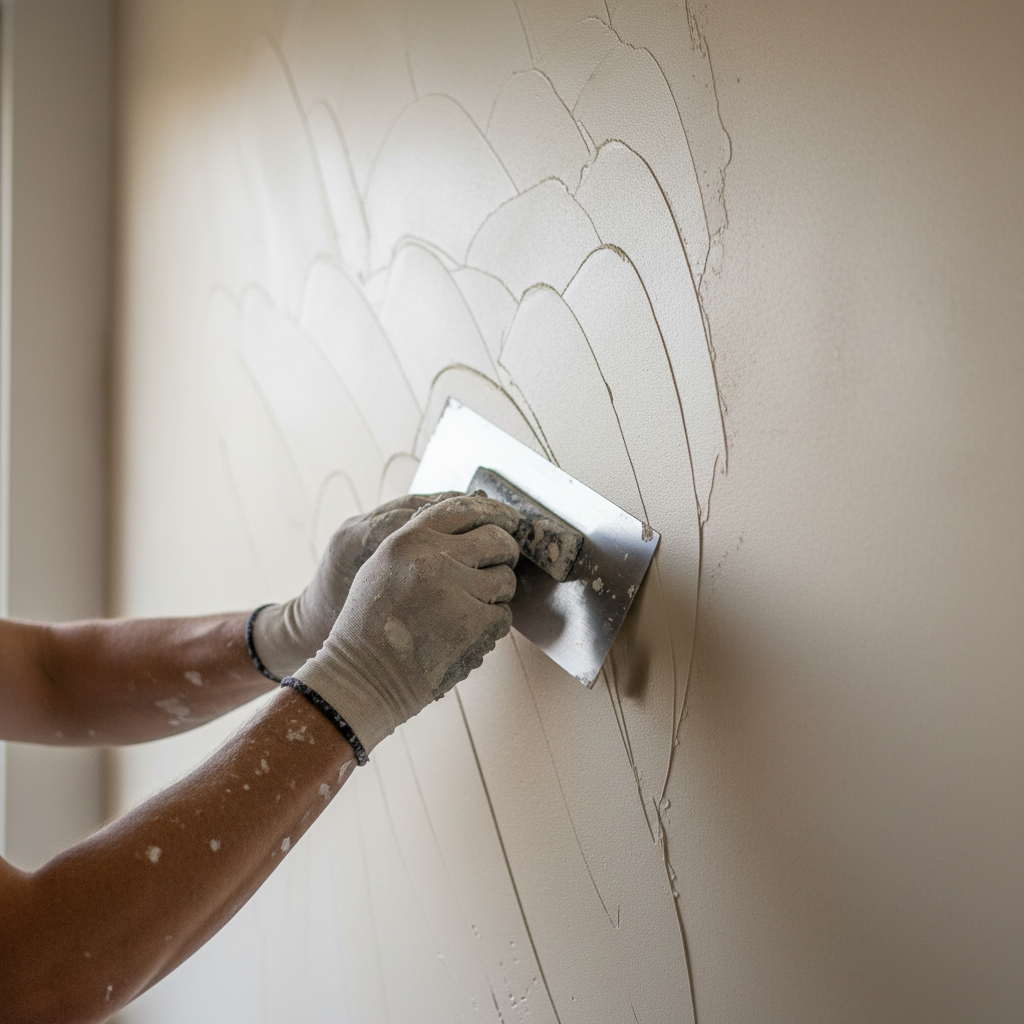
Clay and plaster textures offer a softer, more subtle look. These paints can give walls a smooth and elegant finish reminiscent of traditional plasterwork. They are perfect for creating a soothing environment in bedrooms and bathrooms.
Advantages of Natural Textures
The use of natural textures in paint can provide several benefits:
- Enhanced Aesthetics: Natural textures add visual interest and can transform the look of a space.
- Versatility: These textures can complement a variety of design styles, from modern to traditional.
- Durability: Many textured paints offer added durability, making them suitable for high-traffic areas.
Choosing Natural Textures for Floors
Wood-Like Textures
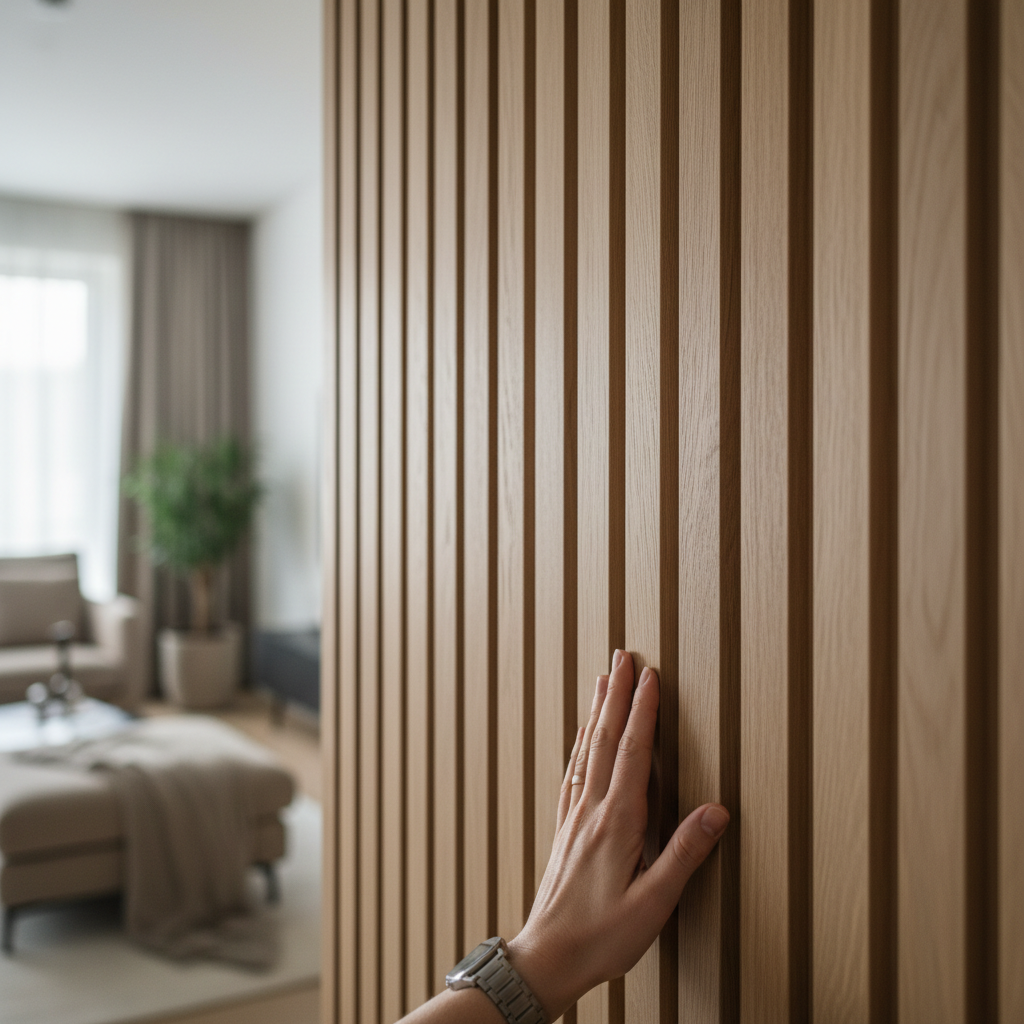
Paints that mimic wood textures can bring warmth and elegance to any floor. They are a cost-effective alternative to hardwood and can be used in spaces where real wood might not be practical.
Concrete and Stone Textures
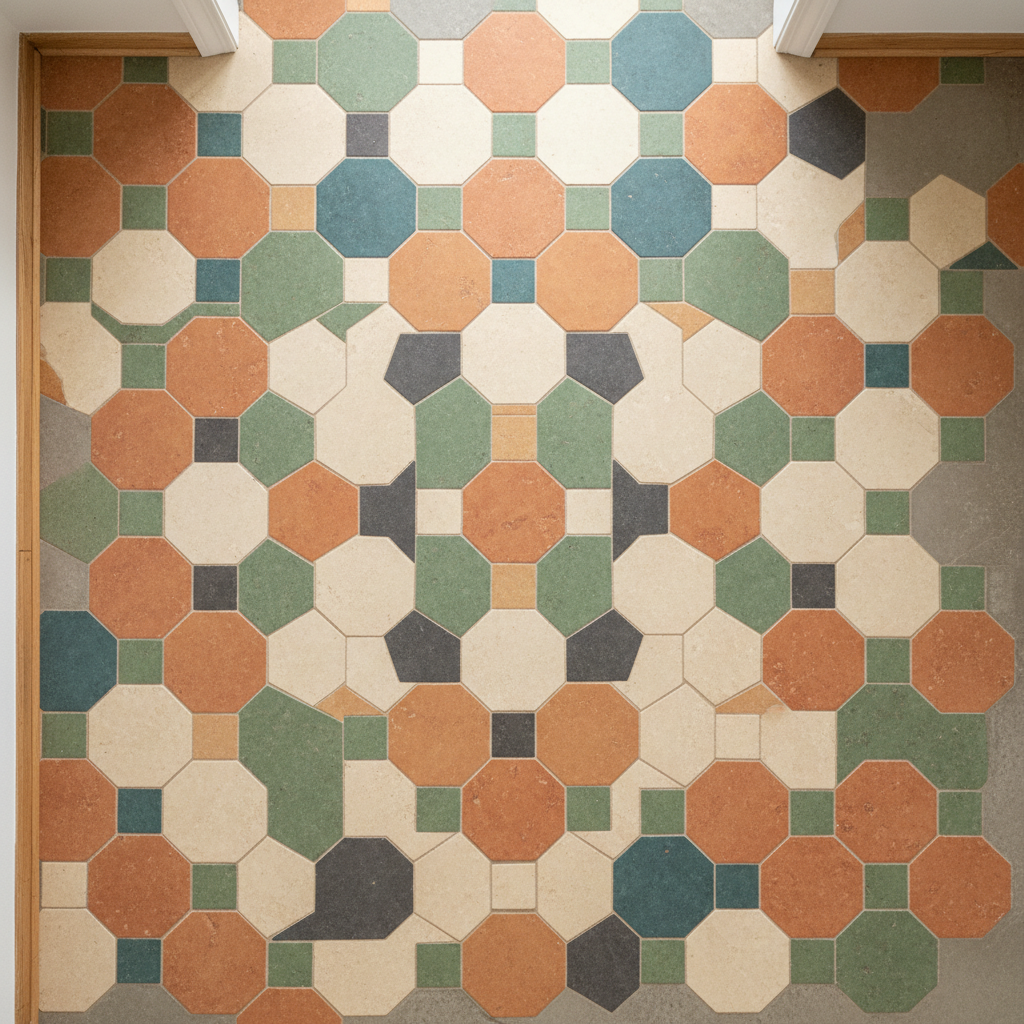
For a more contemporary look, concrete and stone textures can be applied to floors. These paints offer a sleek and modern appearance, ideal for industrial-style interiors.
Considerations When Choosing Paint
When selecting natural texture paints, consider the following:
- Room Functionality: Think about the room's purpose and choose a texture that complements its use.
- Lighting: Natural light can enhance textured surfaces, so consider how light interacts with the space.
- Color Palette: Ensure the texture aligns with the existing color scheme for a cohesive look.
Maintenance and Care
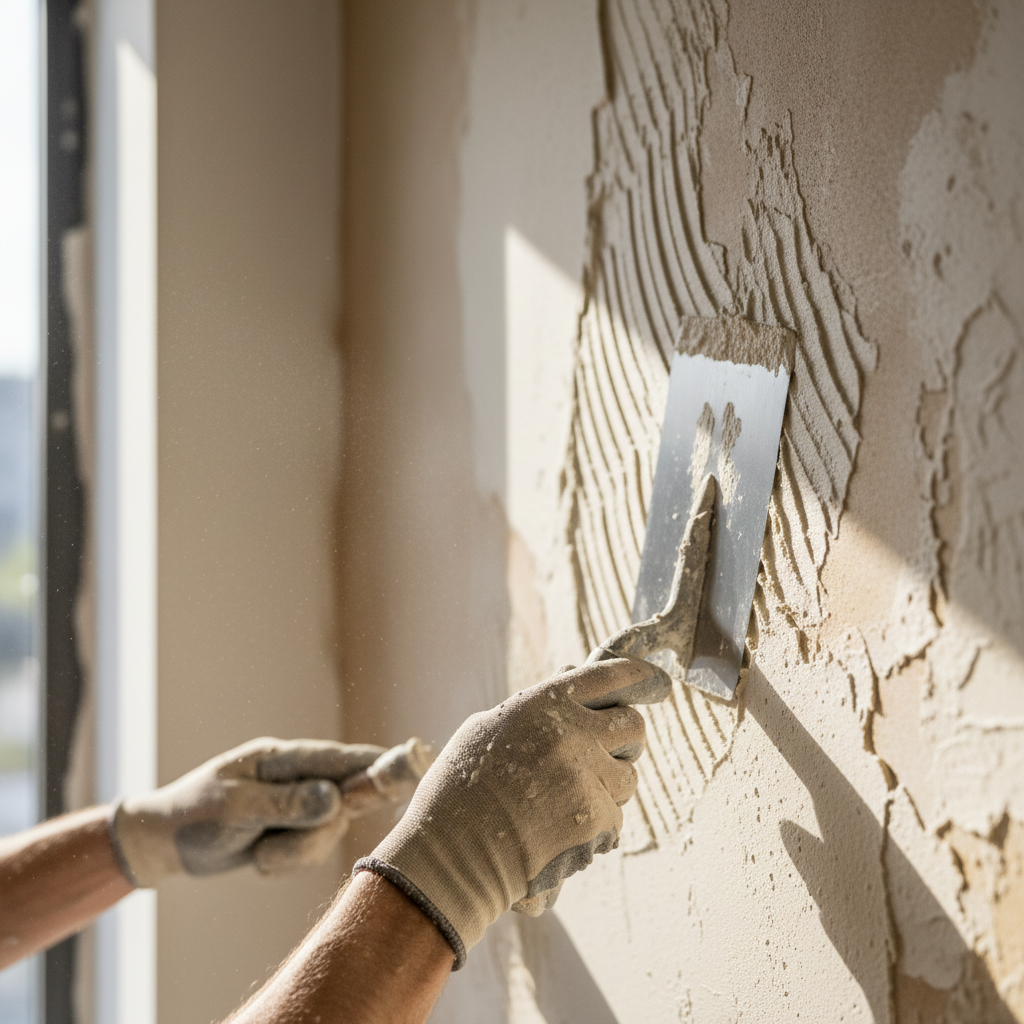
Textured paints require specific maintenance to preserve their appearance. Regular cleaning with appropriate products can help maintain their beauty. It's crucial to follow the manufacturer's care instructions for the best results.
Conclusion
Choosing the right paint with natural textures can significantly impact a room's aesthetic and feel. By understanding the types and benefits of these textures, and considering factors like room functionality and lighting, you can select the perfect paint to enhance your space.