
Top Tips for Maintaining Seamless Floors in Humid Climates
Understanding the Challenges of Humid Climates
Maintaining seamless floors in humid climates can be challenging due to the increased moisture levels in the air. This moisture can lead to warping, mold growth, and other issues that may compromise the integrity and appearance of your floors. Understanding these challenges is the first step in ensuring your flooring remains pristine.
Choose the Right Flooring Material
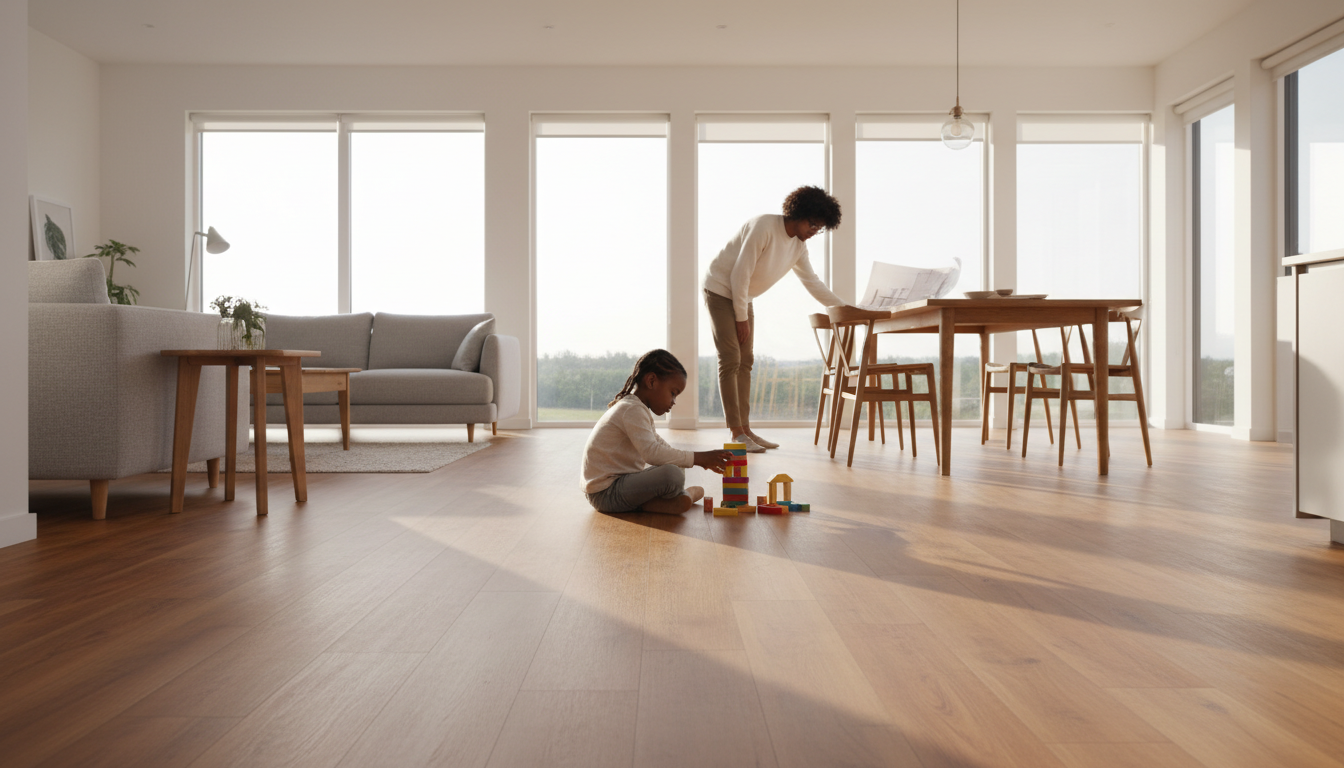
One of the most critical decisions is selecting the appropriate flooring material. In humid environments, materials like vinyl, ceramic tile, and concrete are often recommended due to their moisture resistance. These materials are less likely to swell or warp compared to wood or laminate options.
Consider Engineered Wood
If you prefer the look of wood, consider using engineered wood. This type of flooring is designed to withstand humidity better than traditional hardwood. Its layered construction provides greater stability and resistance to moisture.
Proper Installation Techniques
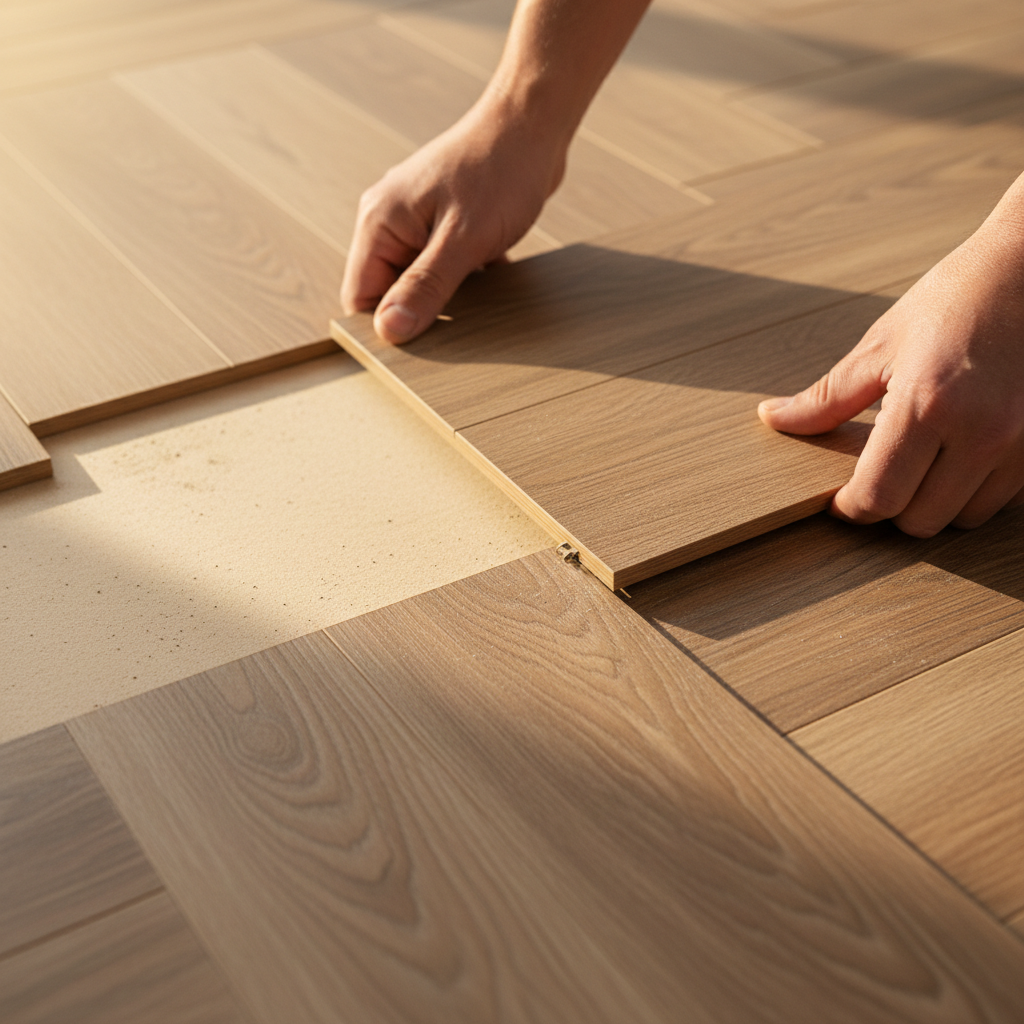
Ensuring proper installation is crucial for maintaining seamless floors. Hiring professional installers who understand the challenges posed by humid climates is essential. They can implement techniques that reduce the risk of moisture-related issues.
Use Moisture Barriers
Incorporating moisture barriers during installation can prevent moisture from seeping through the subfloor. These barriers are particularly important when installing floors over concrete slabs, which are prone to sweating in humid conditions.
Regular Maintenance and Cleaning
Regular maintenance is vital for preserving the beauty and functionality of your floors. Implementing a consistent cleaning routine helps prevent moisture buildup and keeps your floors looking their best. Here are a few maintenance tips:
- Use a dehumidifier to control indoor humidity levels.
- Regularly sweep and mop with a damp cloth, avoiding excessive water.
- Promptly clean up spills to prevent staining and moisture absorption.

Seal and Protect
Sealing your floors can provide an additional layer of protection against moisture. This is especially important for porous materials like concrete. Regularly reseal your floors as recommended by the manufacturer to maintain their resistance to humidity.
Monitoring Indoor Humidity
Keeping an eye on indoor humidity levels is crucial. Aim to maintain humidity levels between 30% and 50% to prevent damage to your floors. Using a hygrometer can help you monitor these levels and make adjustments as needed.
By following these top tips, you can ensure that your seamless floors remain beautiful and durable, even in the most challenging humid climates. With the right materials, installation techniques, and maintenance practices, your floors can withstand the test of time.