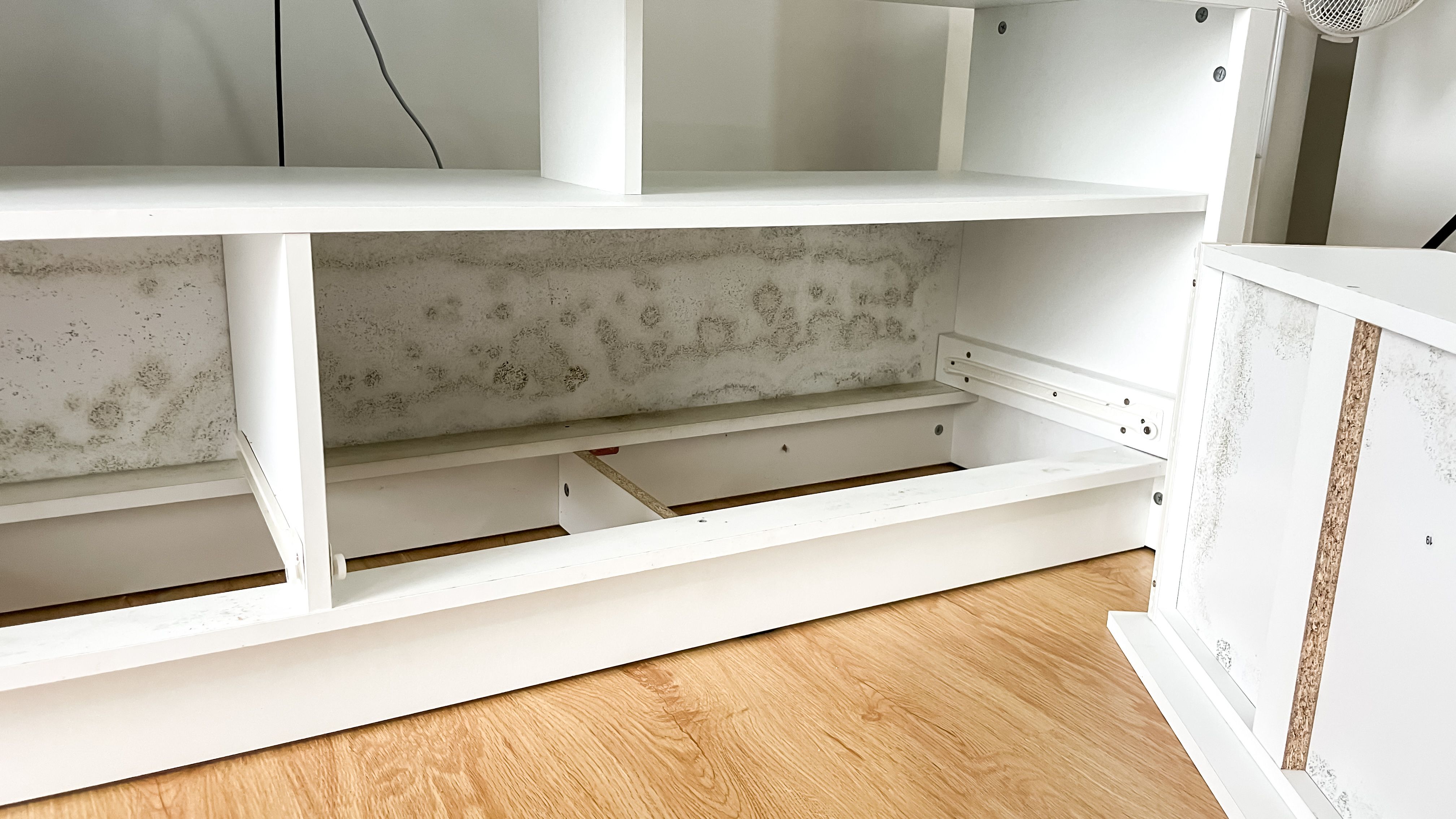
The Ultimate Guide to Mould Eradication in Humid Climates
Understanding Mould and Its Impact
Mould is a type of fungus that thrives in damp, humid environments. It can cause various health issues, including respiratory problems, allergies, and skin irritations. In humid climates, mould can spread rapidly, making it essential to address the problem promptly.
Not only does mould affect health, but it can also damage property. From discoloring walls to weakening structures, mould can cause significant and costly harm. Understanding how to eradicate mould effectively is crucial for maintaining a healthy living environment.
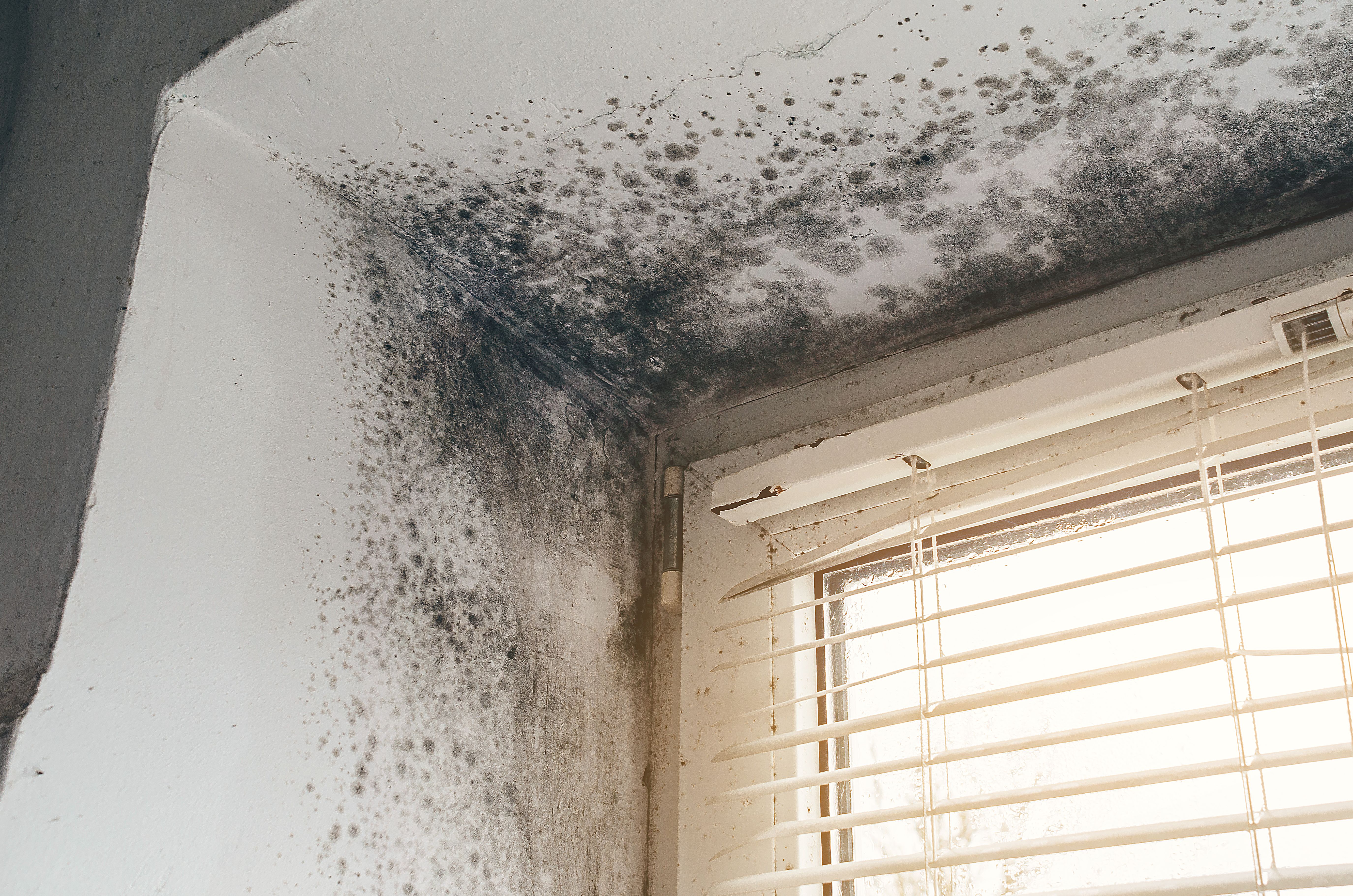
Identifying Mould in Your Home
Before you can eradicate mould, it's important to identify its presence. Common signs of mould include a musty odor, visible spots on walls, ceilings, or floors, and peeling paint or wallpaper. Mould can also grow in less visible areas, such as behind appliances or inside air conditioning units.
Conduct a thorough inspection of your home, focusing on areas with high humidity levels like bathrooms, kitchens, and basements. Early detection is key to preventing extensive damage and health risks.
Preventing Mould Growth
Prevention is the first line of defense against mould. Here are some steps to maintain a mould-free environment:
- Ensure proper ventilation in all rooms, especially in humid areas.
- Use dehumidifiers to maintain optimal humidity levels.
- Fix leaks and address water damage promptly.
- Clean and dry areas prone to moisture regularly.
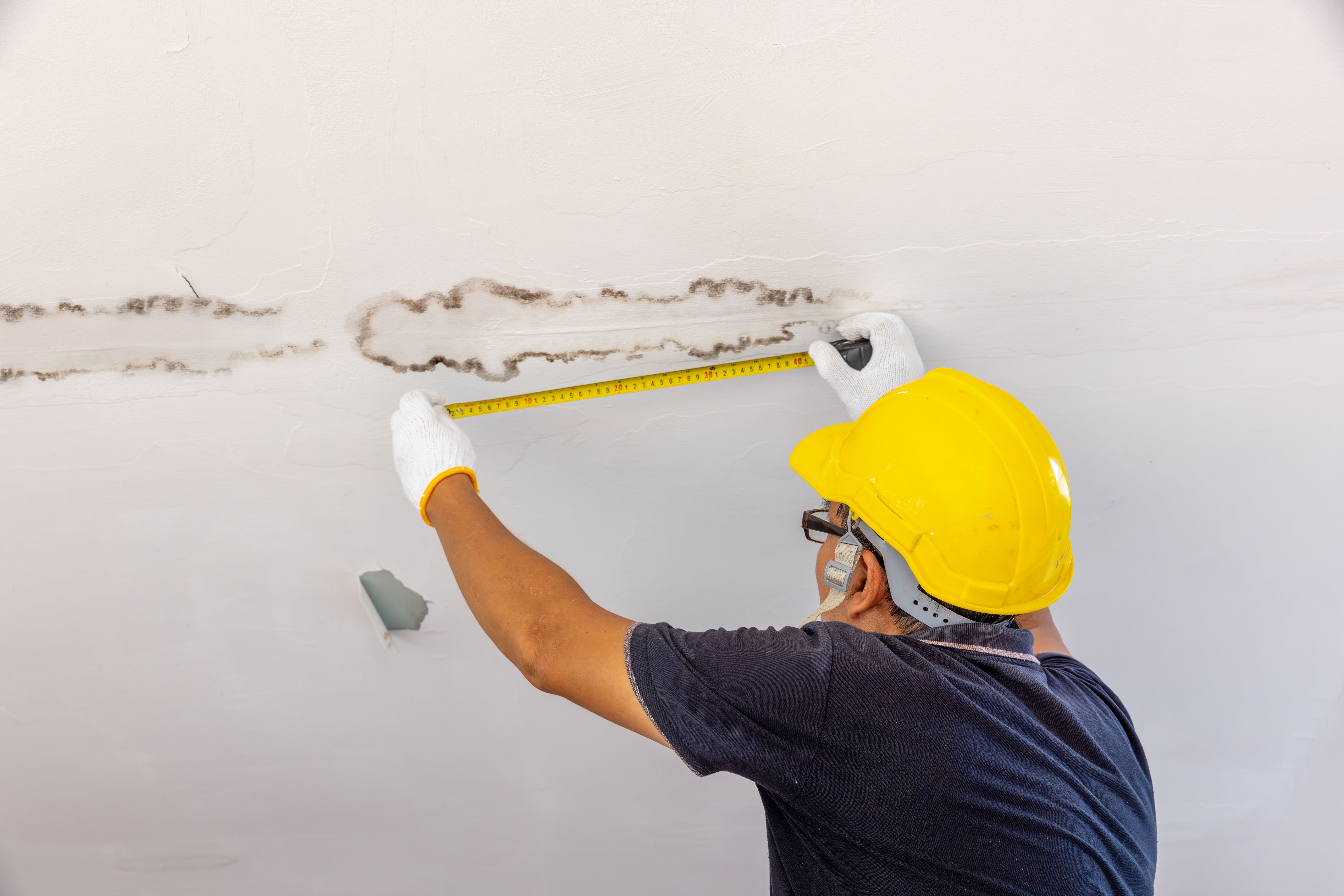
Effective Mould Removal Techniques
If you discover mould in your home, act quickly to remove it. Here are some effective techniques:
- Use a mould removal spray: Many commercial products are designed specifically for mould removal.
- Natural remedies: Vinegar and baking soda are natural alternatives that can be effective.
- Professional help: For large infestations, consider hiring a professional mould remediation service.
When handling mould, always wear protective gear such as gloves and masks to prevent exposure to harmful spores.
Maintaining a Mould-Free Environment
Once you've eradicated mould, maintaining a mould-free environment is essential. Regular cleaning and vigilance can help prevent future outbreaks. Ensure that your home remains well-ventilated and monitor humidity levels consistently.
Consider using mould-resistant products and materials in areas prone to moisture. These can provide an added layer of protection against mould growth.
Conclusion
Dealing with mould in humid climates can be challenging, but with the right knowledge and tools, it's possible to keep your home safe and healthy. By understanding how to identify, prevent, and remove mould, you can protect both your health and property from the damaging effects of this persistent fungus.
Stay proactive, and don't hesitate to seek professional help when needed. A mould-free home is a healthier home.