
How to Prevent Mould Growth with Health-Focused Paint Solutions
Understanding Mould Growth
Mould is a common problem in many homes, especially in areas with high humidity. It not only damages the aesthetics of a space but can also pose health risks. Understanding how mould grows is the first step in preventing it. Mould spores are everywhere and thrive in damp, warm environments. They can quickly multiply on surfaces like walls, ceilings, and floors.
Once mould takes hold, it can be difficult to eradicate. This makes prevention crucial. Homeowners need to be proactive in creating an environment that is inhospitable to mould growth. This is where health-focused paint solutions come into play.
The Role of Paint in Mould Prevention
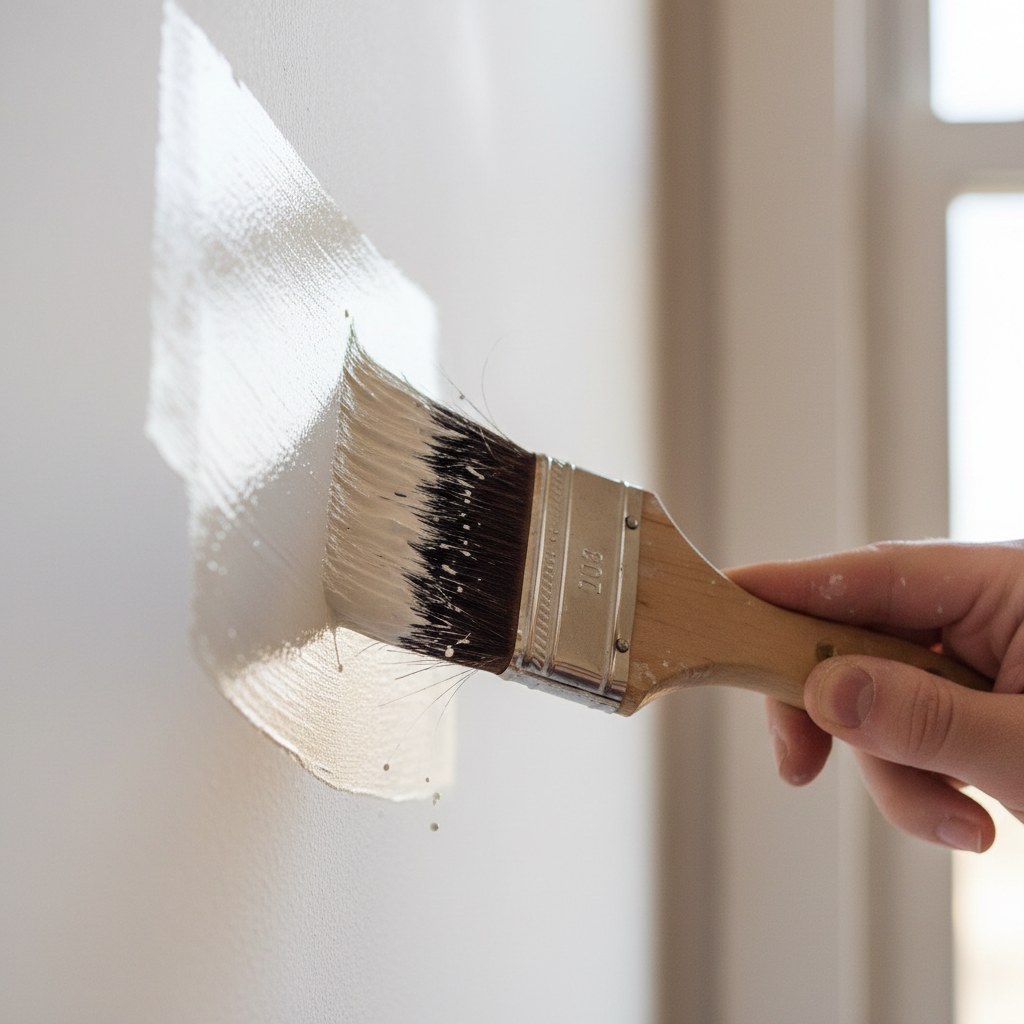
Paints designed to prevent mould growth contain special additives that resist moisture and mildew. These paints are particularly useful in areas prone to dampness, such as bathrooms, kitchens, and basements. When applied correctly, these paints can be a powerful tool in your mould prevention strategy.
In addition to choosing the right type of paint, proper application is key. Ensure surfaces are clean and dry before painting. Consider using a primer that offers additional protection against mould and mildew. This will enhance the effectiveness of the paint and provide a long-lasting barrier.
Benefits of Health-Focused Paint Solutions
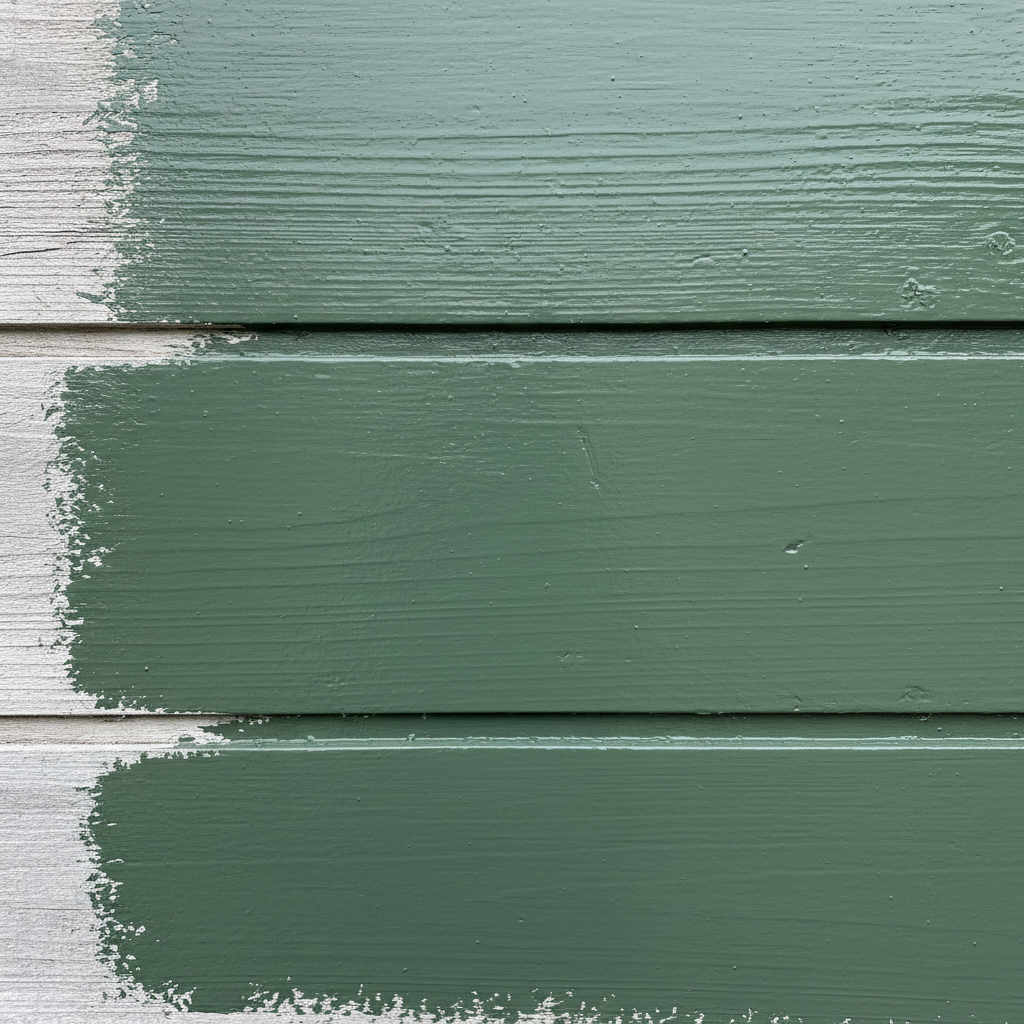
Health-focused paints offer numerous benefits beyond mould prevention. These paints often contain low or no volatile organic compounds (VOCs), making them safer for indoor air quality. This is especially important for individuals with allergies, asthma, or other respiratory concerns.
Moreover, these paints are designed to be durable and washable, ensuring that they maintain their effectiveness and appearance over time. This durability means fewer repaints and less maintenance, saving you time and money in the long run.
Choosing the Right Paint
When selecting a paint for mould prevention, it's important to consider factors such as the room's humidity, the existing condition of the walls, and your personal preferences regarding color and finish. Consult with paint professionals to find a product that meets your needs and budget.
- Check for paints labeled as "mould-resistant" or "anti-microbial."
- Consider the paint's VOC levels.
- Look for paints with a satin or semi-gloss finish for easier cleaning.

Maintaining a Mould-Free Home
Even with the best paint, ongoing maintenance is crucial to keep mould at bay. Regular cleaning and proper ventilation are essential. Use exhaust fans in bathrooms and kitchens, and consider a dehumidifier in particularly damp areas.
By combining health-focused paint solutions with these practices, you can significantly reduce the likelihood of mould growth in your home. Remember, prevention is always easier and more cost-effective than dealing with an established mould problem.