
How to Choose the Right Texture for Your Wellness Space
Understanding the Role of Texture in Wellness Spaces
Creating a wellness space that feels inviting and serene involves careful consideration of various design elements, and texture plays a pivotal role. The right textures can evoke comfort, tranquility, and a sense of connection to the natural world. This guide will help you navigate the process of selecting textures that enhance your wellness environment.
Textures can be both visual and tactile, and they contribute to the overall atmosphere of a room. Whether you’re designing a yoga studio, spa, or meditation corner, selecting the appropriate textures can make all the difference in achieving your desired ambiance.
Choosing Natural Materials
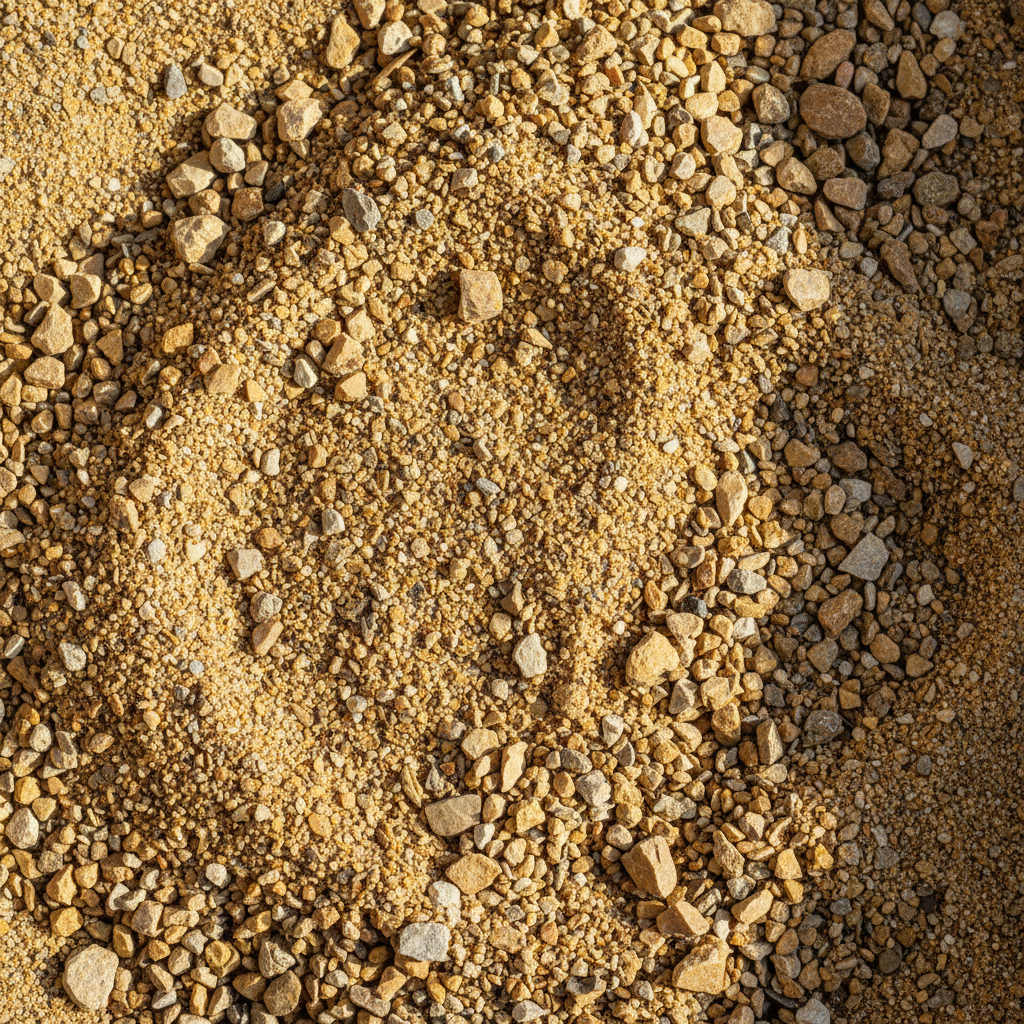
One of the most effective ways to create a calming atmosphere is by incorporating natural materials. Wood, stone, and bamboo are excellent choices that bring a touch of nature indoors. These materials not only look appealing but also have tactile qualities that promote relaxation.
Consider using wood for flooring or furniture to add warmth and a grounding effect. Stone, on the other hand, can be used for feature walls or decorative elements, providing a sense of stability and permanence.
Incorporating Soft Textures
Soft textures can greatly enhance the comfort of your wellness space. Fabrics such as cotton, linen, and wool are ideal for cushions, throws, and rugs. These materials add a cozy layer that invites visitors to relax and unwind.

When selecting soft textures, opt for neutral or earthy tones to maintain a soothing color palette. This not only increases comfort but also helps in creating a cohesive look that is easy on the eyes.
Balancing Different Textures
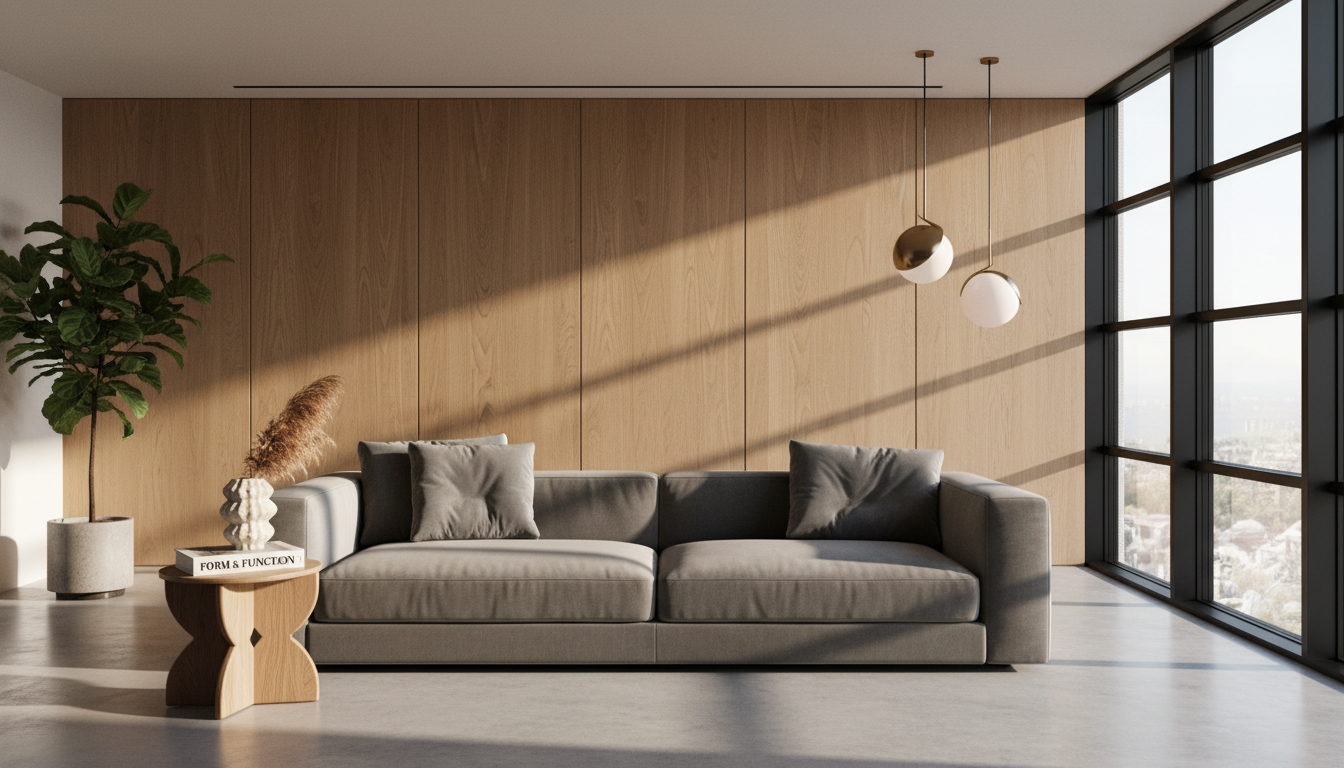
A well-designed wellness space often involves a balance of different textures. Mixing textures can add depth and interest to your space. For instance, pairing a smooth stone floor with a plush wool rug can create a harmonious contrast that is both visually appealing and comforting.
Here are a few tips for balancing textures:
- Use a combination of rough and smooth textures for visual interest.
- Introduce woven elements like baskets or macramé for a natural touch.
- Layer different materials to create a dynamic yet cohesive look.
Considering the Functionality
While aesthetics are important, the functionality of the textures should not be overlooked. For spaces that involve physical activities, such as yoga or meditation, ensure that the materials used are durable and easy to maintain.
For instance, if your wellness space includes a high-traffic area, consider using materials that are both sturdy and easy to clean. This ensures that the space remains inviting and practical for everyday use.
Conclusion
Choosing the right texture for your wellness space is about finding a balance between aesthetic appeal and practical needs. By focusing on natural materials, incorporating soft textures, and maintaining a balance between different elements, you can create a space that encourages relaxation and rejuvenation.
Remember, the ultimate goal is to create an environment that supports well-being and harmony, making texture a vital component in the design process.