
Case Study: Revitalizing a Nursery with VOC-Free Paint and Natural Textures
Introduction to the Project
Creating a nurturing and healthy environment for children is a top priority for parents and caregivers. When it comes to designing a nursery, the choice of materials and finishes can significantly impact both aesthetics and safety. This case study explores how a combination of VOC-free paint and natural textures transformed a nursery into a serene and safe haven.
Understanding VOC-Free Paint
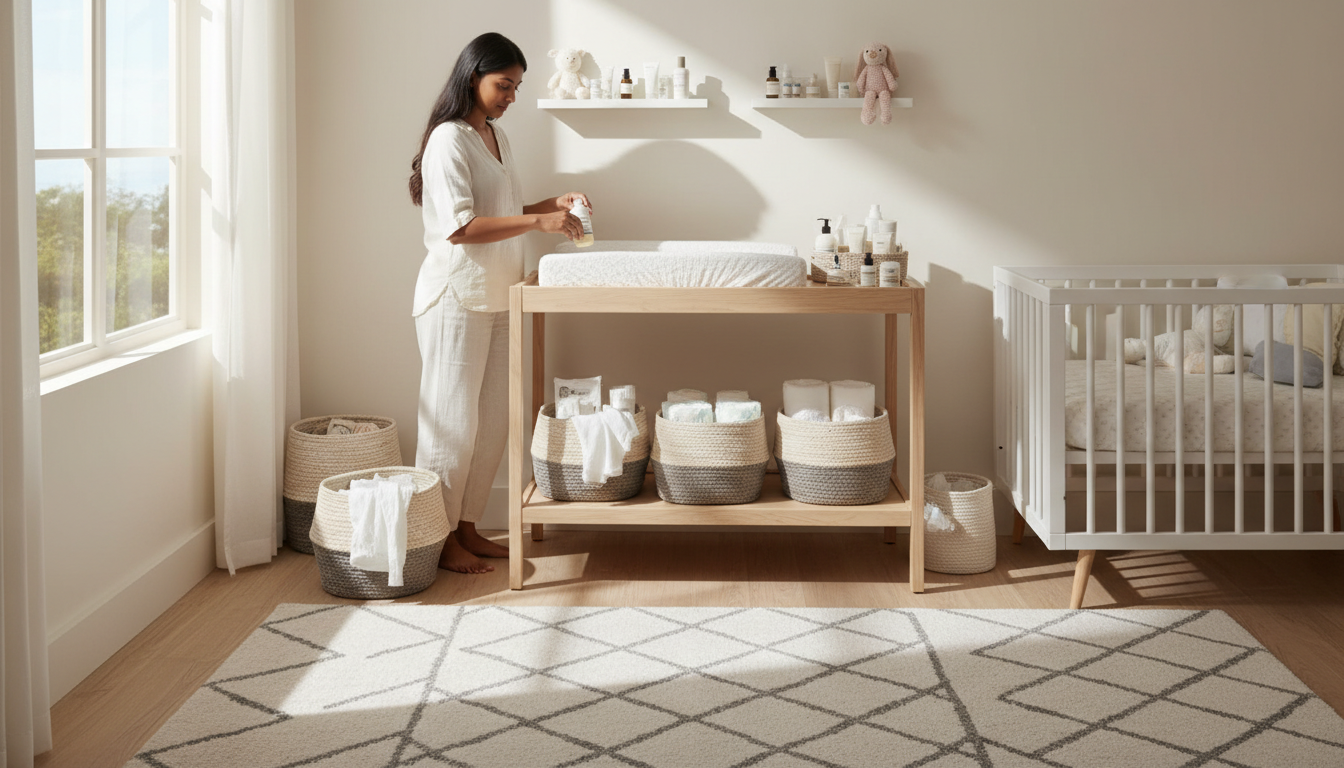
Volatile Organic Compounds (VOCs) are chemicals found in many traditional paints that can release harmful emissions over time. These emissions can affect indoor air quality and pose health risks. By choosing VOC-free paint, the nursery's air remains cleaner, reducing potential respiratory issues for infants.
The nursery was repainted using a soft, calming palette of VOC-free paints. This choice not only ensured the safety of the air but also contributed to a soothing atmosphere essential for a child’s development.
Incorporating Natural Textures
Incorporating natural textures into nursery design brings warmth and connection to the environment. Materials such as wood, cotton, and wool were strategically used throughout the space to enhance tactile experiences for the child.
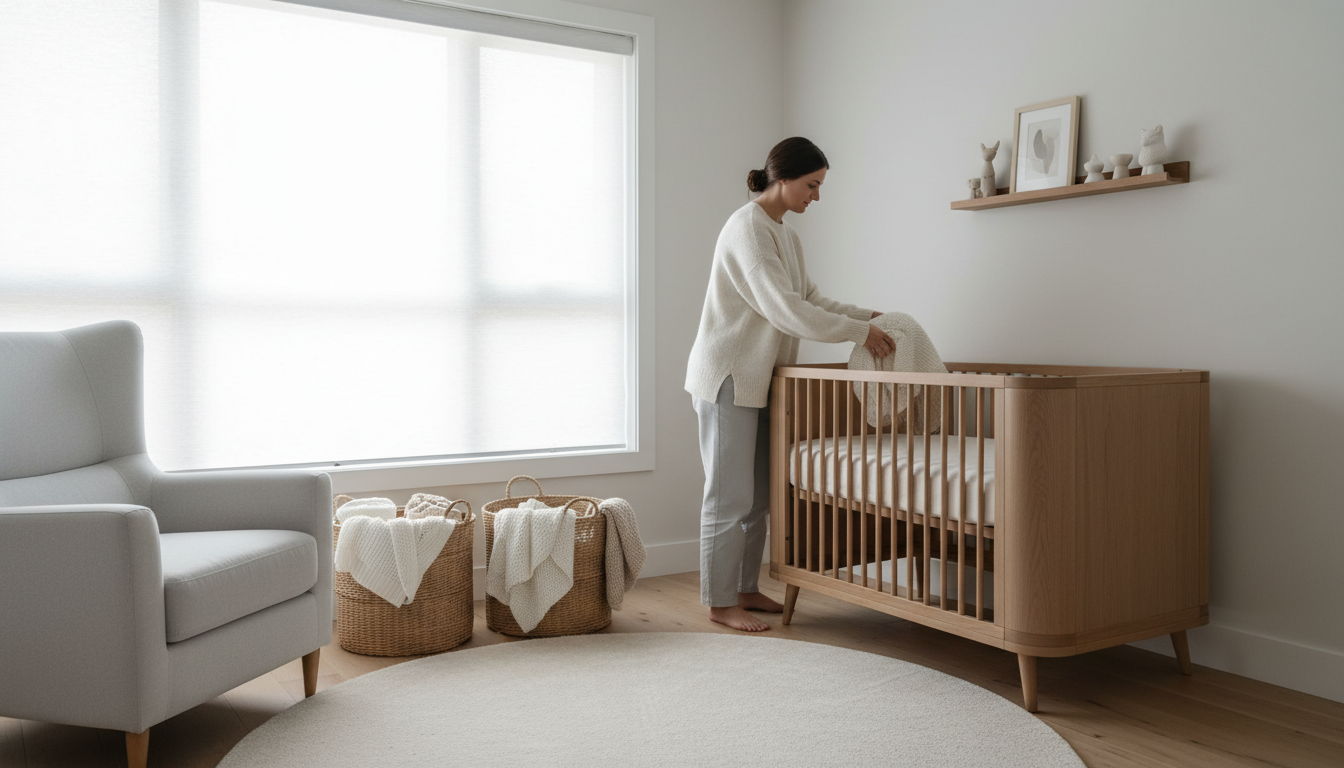
Wooden furniture, including a crib and rocking chair, were selected for their durability and timeless appeal. The use of sustainably sourced wood further aligned with the eco-friendly goals of the project.
Textiles and Soft Furnishings
Soft furnishings play a crucial role in the sensory development of infants. Cotton and wool blankets, along with organic cotton sheets, were chosen for their gentle touch and natural fibers.
- Cotton and wool blankets for warmth and comfort
- Organic cotton sheets for a soft sleeping surface
- Handcrafted rugs to add texture and warmth

Benefits of the Revitalized Nursery
The transformation of the nursery not only enhanced its visual appeal but also provided numerous benefits. By focusing on VOC-free paint and natural textures, the project ensured a healthy and stimulating environment for the child.
Parents reported a noticeable improvement in the air quality and overall ambiance of the nursery. The combination of safe materials and thoughtful design contributed to peace of mind, knowing their child was in a nurturing space.
Conclusion
This case study highlights the importance of careful material selection in nursery design. By choosing VOC-free paint and incorporating natural textures, the nursery became a model for creating safe, sustainable, and aesthetically pleasing environments for children. This approach not only benefits the immediate occupants but also promotes a broader awareness of eco-friendly design practices.